Do Your Debt Collection Calls Have Low Engagement Rates?

More Calls. Still Low Engagement?
Fix the Real Gap.
Author
- September 25, 2026
Do borrowers answer your debt collection calls? Does your team respond to low engagement by increasing call attempts? More calls will not solve the problem if borrowers do not recognise the caller or the conversation gives them no reason to respond.
A May 2026 report found that 66% of unknown calls in India were identified as spam or fraud. When two out of every three unfamiliar calls are classified this way, even genuine collection calls may be ignored before borrowers know which bank is contacting them.
Why Do Debt Collection Calls Have Such Low Engagement Rates?
Debt collection calls often have low engagement because borrowers do not recognise the caller, calls reach outdated numbers, or repeated attempts resemble spam. Even answered calls may fail when they repeat old information, ignore previous interactions, or provide no clear next step.
Several factors can lead to this breakdown:
1
No recognisable caller identity: When the borrower sees an unknown number instead of the bank’s name, hesitation begins before the conversation does.
2
Outdated or reassigned numbers: Borrowers may change their phone numbers or SIMs while bank records remain unchanged. Repeatedly calling the same number increases attempts without improving right party contact.
3
Poor timing: Calls made while borrowers are working, commuting or otherwise unavailable may repeatedly go unanswered.
4
Repetitive communication: If every call repeats information already shared through SMS or email, it gives the borrower no new reason to listen or act.
5
No clear next step: Even an answered call may not lead to action if it ends without guiding the borrower towards payment, a commitment or another suitable resolution.
Call performance should therefore be measured beyond attempts and pickups:
Calls Attempted → Right Party Reached → Borrower Engaged → Commitment Made → Commitment Fulfilled
A drop between two stages shows where the problem lies. Low right party contact points to a reach problem. Strong contact but weak engagement may indicate poor timing, low trust, or an irrelevant message. Unfulfilled commitments suggest that the bank’s follow-up treatment needs attention.
[Also Read: Customer Engagement Strategies for Banking Leaders]
How Does TrueDigi Improve Debt Collection Call Engagement?
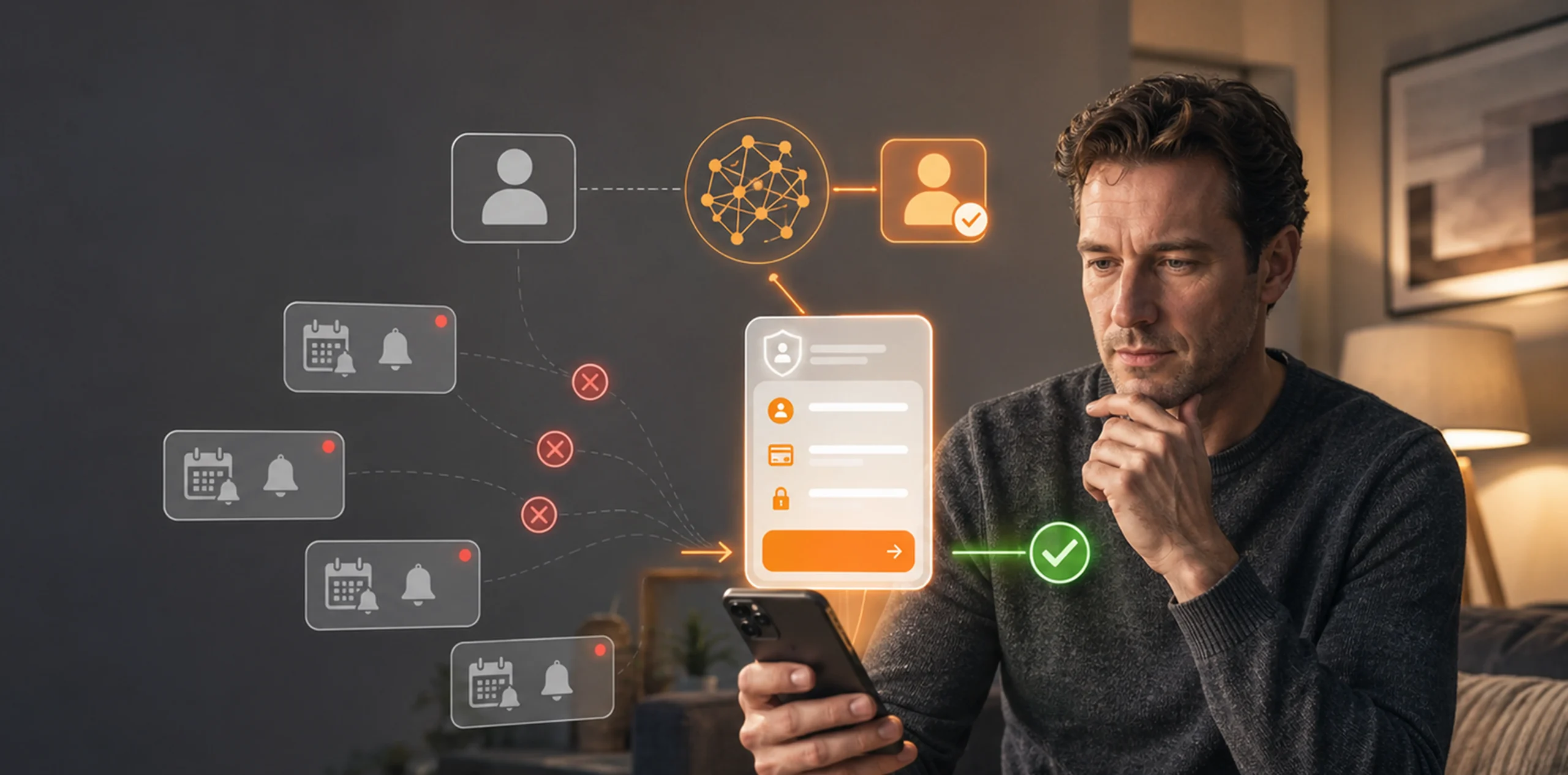
TruCall by TrueDigi gives banks a branded digital voice channel that reaches the borrower’s registered device without dialling a mobile number. This reduces dependence on phone records that may be outdated or reassigned and supports stronger right party contact.
Banks can use recorded audio or text-to-speech for consistent voice messages and measure delivery and subsequent borrower action. This makes each interaction recognisable and measurable rather than another unexplained call attempt.
- 3× higher pickup rates
- 41% higher customer action
- 70% lower operational costs
What Better Debt Collection Call Engagement Looks Like
Effective collection calls should do more than connect. They should reach the intended borrower, build on previous interactions, and lead to a defined next action.
By managing collection calls around these outcomes, banks can reduce unproductive attempts, focus agents on cases requiring human support, and move more borrowers towards resolution.
Smart pick for you...
- All Posts

How satisfied are you with your current contact efficiency and RPC rates?
Based on what you've read, do you think TrueDigi can improve your outcomes?
Noted! Let's discuss further
Contact usFollow Us On

About TrueDigi
TrueDigi is Datacultr’s AI-powered, user-trusted, direct to device customer engagement and debt recovery platform for banks and lenders. Embedded within the bank’s mobile app, it enables end-to-end journeys across collections and customer lifecycle use cases with 100% contactability, actionability, and real-time measurability.
See how TruCall can help your bank improve collection call engagement.
People also ask
How Often Should Banks Make Collection Calls?
There is no single suitable frequency for every borrower. Banks should consider delinquency stage, previous responses, preferred contact times, consent, and applicable regulations. Repeating collection calls without changing their timing or purpose can further reduce engagement.
How Can Banks Maintain Right Party Contact When a Phone Number Changes?
Banks can use device-based communication that does not depend on the borrower’s current mobile number. TruCall by TrueDigi delivers digital voice communication directly to the borrower’s registered device, helping the bank maintain right party contact even when telecom records change.
What Is a Good Engagement Rate for Debt Collection Calls?
There is no single benchmark that applies to every bank. Engagement varies by borrower segment, delinquency stage, portfolio, and call purpose. Banks should establish a baseline for right party contact, borrower response, commitments made, and commitments fulfilled, then compare performance across similar accounts and campaigns.